Biochar for mushroom cultivation
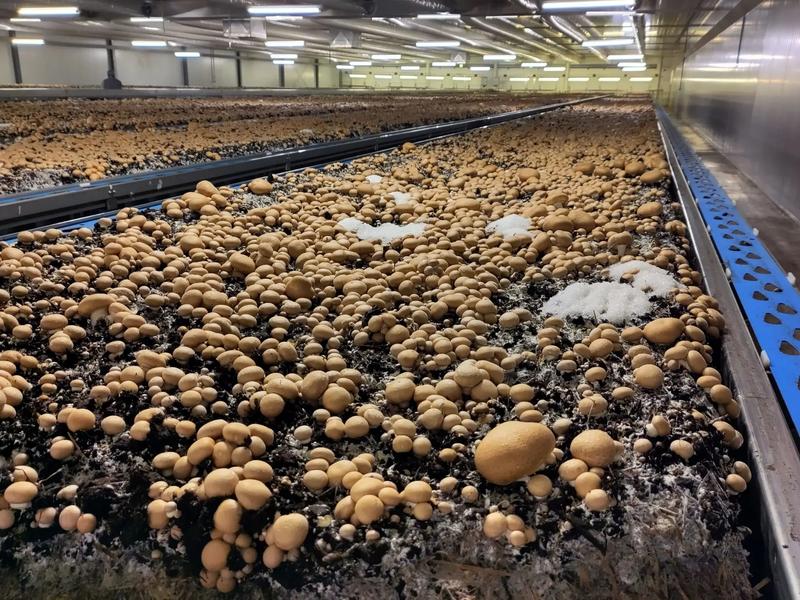
The Pilzkohle research project – PIKO for short – secures European funding to develop alternatives to peat-based substrates in button mushroom cultivation
Researchers at the University of Oldenburg are focusing on methods to replace peat as a growing medium with biochar – a form of charcoal produced by heating plant waste and other organic waste. Together with two partner companies from the Oldenburg region, the scientists are testing the use of biochar in button mushroom cultivation.
At present, black peat is the main component of the substrate used in button mushroom production. But because peat extraction in wet moorlands releases large quantities of CO₂ into the atmosphere, exacerbating man-made climate change, alternatives are needed. One potential substitute for peat is biochar produced using plant waste from sustainable peatland agriculture.
Regional circular economy is a key concept in the Oldenburg-based PIKO project. Led by Prof. Dr Michael Wark, Professor of Technical Chemistry at the Institute of Chemistry, and Prof. Dr Dirk Albach, Professor of Plant Biodiversity and Evolution at the Institute for Biology and Environmental Sciences, the research group receives around 410,000 euros in EU funding for the project. Thanks to the funds from the European Regional Development Fund (ERDF) and the State of Lower Saxony, PIKO (full title: Paludiculture Biochar for Button Mushroom Cultivation) will run until June 2028.
A key objective of PIKO is that all the raw materials used in the project remain within the Lower Saxony region throughout the various production stages. To this end, the researchers are collaborating with two local industry partners, peat supplier Griendtsveen AG in Saterland as well as Pilzland Vertriebs GmbH in Visbeck-Rechterfeld, which specialises in mushroom production. With the help of these two companies, the researchers are carrying out initial trials with biochar under controlled conditions in climate chambers. In this phase of the project, they are testing substrates with different compositions, including various types of biochar on their own and in combination with other components such as compost. If the results are positive, the substrates will be tested on a larger scale under real-world conditions in button mushroom production. At the end of the project, the findings are to be used to develop a market-ready, peat-free, regionally produced substrate.
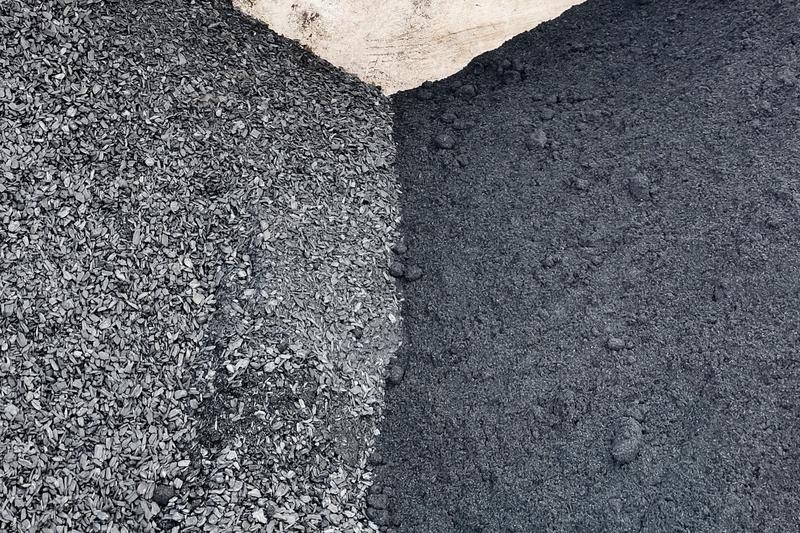
Rather than importing typical peat substitutes such as coconut pulp and fibres from India or Sri Lanka, the PIKO project uses green waste from regional paludiculture. Paludiculture is a sustainable form of peatland management that preserves the typical wet soil conditions. Project coordinator Dr Michael Röhrdanz, a landscape ecologist at the University of Oldenburg, explains: “Only the above-water shoots of the plants growing in the peatland are harvested. The roots are left intact and can store carbon in the soil over long periods of time, meaning that paludiculture actually contributes in a targeted manner to restoring peatland areas.” The researchers use different processes to produce either plant charcoal or hydrochar from the green cuttings. Both are biochars, but have different properties, which means that getting the composition right is crucial for their use in mushroom cultivation.
Plant charcoal, much like wood charcoal, is produced via pyrolysis, a process in which dry biomass is heated at temperatures of between 500 and 900 degrees Celsius in a low-oxygen environment. The PIKO project uses plants such as reeds, cattails and sedges from paludiculture as biomass. Plant charcoal is very nutrient-rich and alkaline, and can sequester carbon in soil over long periods of time.
For the production of hydrochars, moist agricultural waste is best suited, such as the wet peatland grasses used in the PIKO project. The biomass is mixed with water, heated to around 180 to 240 degrees Celsius in a pressure-tight vessel, and then “cooked” for several hours in a process known as hydrothermal carbonisation (HTC). The end product has a relatively low nutrient content, but the nutrients contained are readily available to plants and fungi and can be broken down by them within a few years.
As part of the PIKO project, the researchers will also compile environmental life cycle assessments to evaluate the sustainability of the carbon cycle of the biochars. In addition, the project partners will carry out socio-economic analyses to assess how mushroom producers and other customers respond to the peat alternatives developed in the project and examine the market opportunities this presents.
Wissenschaftlicher Ansprechpartner:
Dr. Michael Röhrdanz (project coordinator), phone: +49 (0) 441/798-3561, email: kai.michael.roehrdanz@uol.de
Weitere Informationen:
https://uol.de/en/piko
Ähnliche Pressemitteilungen im idw
